This site contains affiliate links, please read our disclosure for more information. The content on this website was created with the help of AI.
Poached eggs are a breakfast classic, loved for their creamy yolks and soft, pillowy whites.

How To Poached Eggs
If you’ve ever struggled to get them just right, you’re not alone!
Many moms shy away from making poached eggs at home, fearing the process is too tricky or time-consuming.
But with the right technique, you can master this simple and nutritious dish—perfect for a quick breakfast or as a topping for salads, toast, or pasta. Here’s everything you need to know about how to poach eggs like a pro.
| Aspect | Explanation | Additional Information |
|---|
| What is Poached Egg? | A poached egg is an egg that is cooked by gently simmering it in water, without its shell, resulting in a tender white and runny yolk. | Poached eggs are often considered a healthy cooking method since no oil or fat is used. |
| Ingredients | – Fresh eggs – Water – Vinegar (optional) | Use the freshest eggs possible for the best results. Fresh eggs help retain their shape. |
| Basic Poaching Method | 1. Bring a pot of water to a gentle simmer (not boiling). 2. Add a splash of vinegar (optional). 3. Crack the egg into a small cup. 4. Gently slide the egg into the water. 5. Cook for 3-4 minutes. | Poaching time may vary depending on the desired consistency of the yolk (soft or firm). |
| Tips for Success | – Ensure the water is not boiling, as it can break the egg. – Use fresh eggs for the best poach. – Add a small splash of vinegar to help the egg white set. | Don’t overcrowd the pot; poach one egg at a time or use a deep pan for multiple eggs. |
| Common Mistakes | – Using old eggs that spread out in the water. – Cooking at too high of a temperature. – Not adding vinegar to keep the egg white intact. | If the egg whites spread too much, you can gently stir the water before adding the egg. |
| Variations | – Poached eggs with seasonings (herbs or spices). – Poached eggs on toast or salads. – Poached eggs with hollandaise sauce for eggs Benedict. | Poached eggs can also be served in ramen, with avocado toast, or in grain bowls. |
| Origin | Poached eggs are believed to have originated in France, where they are called “œufs pochés” and have been a staple in European cuisine for centuries. | Many cultures have their own version of poached eggs, such as in Middle Eastern shakshuka. |
| Nutritional Benefits | Poached eggs are a great source of protein, healthy fats, and essential vitamins like B12 and D. | Since they are cooked without oil, poached eggs are lower in calories than fried eggs. |
| Poached Egg Serving Ideas | – Served on top of salads. – On avocado toast. – With grilled vegetables or grains. – On a breakfast sandwich or in a benedict. | Pair with roasted vegetables, smoked salmon, or sautéed spinach for a nutrient-packed meal. |
| Time to Cook | Poached eggs usually take 3-4 minutes to cook for a soft yolk. For firmer yolks, cook for 5-6 minutes. | Adjust cooking time for different textures: runny yolks (3 mins) vs. fully set yolks (6 mins). |
Why Learn to Poach Eggs?

As a mom, time is always of the essence. Poached eggs not only cook quickly but also pack a protein punch, keeping your family full and energized throughout the morning. Plus, they’re a healthier option compared to fried eggs since no oil or butter is required. Whether you’re whipping up a fancy brunch or just trying to make a fast, wholesome meal, poached eggs are a versatile and elegant choice.
Step-by-Step Guide: How to Poach Eggs

What You’ll Need:
- Fresh eggs
- A medium-sized saucepan
- Water
- A splash of vinegar (optional)
- A slotted spoon
Instructions:

- Bring the Water to a Simmer Fill your saucepan with about 3 inches of water and heat it until it reaches a gentle simmer. Avoid a rolling boil, as this can break apart the egg whites. Small bubbles rising to the surface are what you’re aiming for.
- Add Vinegar (Optional) Adding a splash of vinegar (about 1 tablespoon per 4 cups of water) can help the egg whites coagulate more quickly, resulting in a neater poached egg. If you’re not a fan of the slight tang vinegar may add, you can skip this step.
- Crack the Egg Into a Small Bowl For the best results, crack your egg into a small bowl or ramekin. This makes it easier to slide the egg gently into the water without breaking the yolk.
- Create a Water Swirl Use a spoon to stir the water, creating a gentle whirlpool. This technique helps the egg whites wrap around the yolk, forming a tidy shape.
- Slide the Egg In Gently tip the egg from the bowl into the center of the whirlpool. Let it cook undisturbed for 3-4 minutes. For a firmer yolk, leave it for an extra minute.
- Remove and Serve Use a slotted spoon to carefully lift the egg out of the water. Place it on a paper towel to drain any excess water before serving. Sprinkle with salt, pepper, or your favorite seasonings.
Tips for Perfect Poached Eggs Every Time
- Use Fresh Eggs: The fresher the egg, the better it holds its shape in the water. Fresh eggs have firmer whites that don’t spread out as much during cooking.
- Mind the Water Temperature: Too hot, and your egg might break apart. Too cold, and it won’t cook evenly. Stick to a gentle simmer for the best results.
- Practice Makes Perfect: Don’t get discouraged if your first attempts aren’t picture-perfect. The more you practice, the easier it becomes.
Fun Serving Ideas for Poached Eggs
- Avocado Toast: Top a slice of whole-grain toast with mashed avocado, a poached egg, and a sprinkle of red pepper flakes.
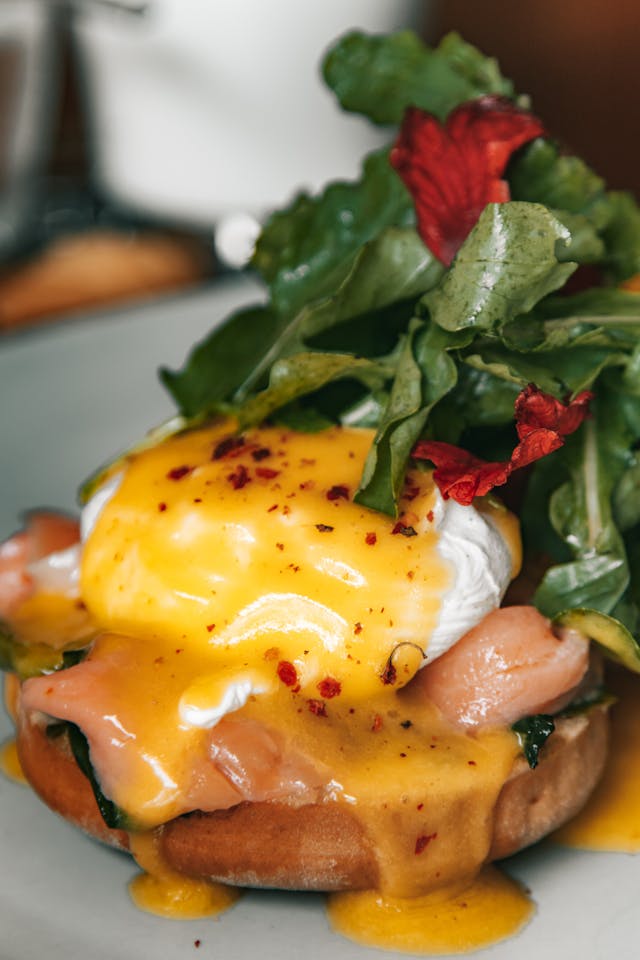
- Eggs Benedict: Layer a poached egg on an English muffin with ham or smoked salmon, then drizzle with hollandaise sauce.
- Salad Topping: Add a poached egg to a spinach or arugula salad for extra protein and a runny yolk dressing.
- Simple Grain Bowl: Pair your poached egg with quinoa, roasted veggies, and a dollop of yogurt or tahini.
Troubleshooting Common Poaching Problems
- Egg Whites Spread Out Too Much: This often happens with older eggs. Try adding vinegar or straining the runniest part of the whites through a fine mesh sieve before cooking.
- Egg Yolks Break: Handle the egg gently when cracking it into the bowl and sliding it into the water.
- Egg Sticks to the Pan: Make sure your saucepan is nonstick or well-maintained to prevent sticking.
How Do You Poach an Egg Step by Step?
Poaching an egg may seem a bit tricky at first, but once you master the technique, it’s a breeze! Here’s a simple, step-by-step guide to poaching an egg:
Step 1: Gather Your Ingredients and Tools
- Fresh eggs
- A saucepan or deep skillet
- Water (enough to cover the egg)
- A dash of vinegar (optional)
- A slotted spoon
- A bowl or small ramekin
Step 2: Boil Water Fill your saucepan or skillet with about 2-3 inches of water. Bring it to a gentle simmer over medium heat. Avoid a rolling boil, as this can break apart the egg. A simmer is when small bubbles gently rise to the surface.
Step 3: Add Vinegar (Optional) A splash of vinegar (about a teaspoon) can help the egg whites set faster and keep them from spreading too much in the water. However, this is optional. If you’re not a fan of vinegar, you can skip this step.
Step 4: Crack the Egg Crack the egg into a small bowl or ramekin, being careful not to break the yolk. This makes it easier to gently slide the egg into the water.
Step 5: Create a Whirlpool Stir the simmering water in a circular motion with a spoon to create a gentle whirlpool. This helps the egg white wrap around the yolk, resulting in a neat and tidy poached egg.
Step 6: Slide the Egg into the Water Slowly slide the egg from the bowl into the center of the whirlpool. Let the egg cook for about 3-4 minutes for a soft, runny yolk or up to 5 minutes if you prefer it more firm.
Step 7: Remove the Egg Use a slotted spoon to gently lift the egg from the water. Let any excess water drain off before placing the egg on a paper towel or serving plate.
Step 8: Serve and Enjoy! Serve your poached egg on toast, salads, or as part of a more elaborate dish like eggs benedict. Sprinkle with salt, pepper, or any seasonings of your choice.
How Long to Poach an Egg in Boiling Water?
To get the perfect poached egg, timing is everything. Poaching an egg in boiling water (or, more accurately, simmering water) typically takes 3-4 minutes for a soft, runny yolk. If you prefer a firmer yolk, cook the egg for up to 5 minutes. Keep in mind that cooking times may vary slightly depending on the size of the egg and the temperature of the water.
If you’re unsure, you can always test one egg first and adjust the timing based on your preference. It’s also a good idea to use fresh eggs, as they hold their shape better when poached!
What is the Trick to Poached Eggs?
Here’s the secret to poaching eggs like a pro:
- Freshness is Key: Use the freshest eggs you can find. The fresher the egg, the less likely it is to spread out in the water, which helps you achieve a perfect shape.
- Simmer, Don’t Boil: Water that’s at a full boil can be too harsh on the delicate egg whites. Aim for a gentle simmer instead. This way, the egg cooks evenly without falling apart.
- Vinegar Magic: Adding a splash of vinegar to the water helps the egg whites coagulate quickly, giving you a more compact poached egg. Don’t worry; it won’t affect the taste if you use just a teaspoon or so.
- The Whirlpool Method: Stirring the water into a gentle whirlpool before adding the egg can help the whites wrap neatly around the yolk, ensuring a tidy poached egg.
Why Do You Poach Eggs?
Poached eggs are not only delicious, but they offer a healthier alternative to fried eggs, as they are cooked without added fat. Here are some of the reasons why poached eggs are a great choice:
- Healthier Option: Poaching involves cooking eggs gently in water, so you don’t need to add any oil or butter. It’s a great choice if you’re watching your calorie intake or trying to eat a cleaner diet.
- Versatility: Poached eggs can be enjoyed in many dishes, from breakfast favorites like avocado toast and eggs benedict to lunch options like salads or grain bowls. They add a rich and creamy texture to whatever they’re paired with.
- Quick and Easy: Poaching eggs is a simple process, and it only takes a few minutes! It’s an easy way to elevate a dish without requiring much time or effort.
- Perfect Texture: The runny yolk of a poached egg is a true delight. It adds richness to any dish and can even act as a natural sauce for toast, veggies, or grains.
Do I Need Vinegar to Poach an Egg?
The simple answer is no, vinegar is not strictly necessary to poach an egg, but it can help. Adding a splash of vinegar to the water helps the egg whites set more quickly and neatly around the yolk.
This is especially helpful if you’re new to poaching eggs or if you’re trying to get that perfectly round, tidy poached egg shape. The vinegar doesn’t affect the taste of the egg, so it’s really a matter of preference. If you’re trying to avoid vinegar or don’t have any on hand, you can still poach eggs without it.
Tip: Use about 1 tablespoon of vinegar per liter of water for optimal results.
How to Poach an Egg in a Frying Pan?
Poaching an egg in a frying pan is an easy way to prepare this dish without needing a special poaching pan. Here’s how to do it:
- Step 1: Fill the frying pan with enough water to cover the egg (about 2–3 inches deep).
- Step 2: Heat the water over medium heat until it’s just below boiling (you should see small bubbles at the bottom but not a rolling boil).
- Step 3: Crack an egg into a small bowl.
- Step 4: Carefully slide the egg into the water.
- Step 5: Let the egg cook for 3–4 minutes, or until the whites are set but the yolk remains soft.
- Step 6: Remove the egg using a slotted spoon and serve immediately.
This method is a great way to cook poached eggs without needing special equipment. It’s easy and gives you a beautiful result with minimal effort!
Can You Poach an Egg in 2 Minutes?
The answer depends on your cooking technique! In general, poaching an egg takes around 3–4 minutes, but some people claim to be able to poach an egg in about 2 minutes by using very hot water or a higher heat setting.
However, if you’re trying to get a runny yolk, it’s important to monitor the egg closely so it doesn’t cook too much. Poaching an egg in 2 minutes is possible if the water is just shy of boiling, but it’s very quick, and timing is key.
Tip: If you’re in a hurry, make sure to have the water at the perfect temperature — it should be simmering, not boiling, to achieve the best results.
How Long for Runny Boiled Eggs?
If you’re in the mood for a soft-boiled egg with a runny yolk, the cooking time is crucial.
Typically, to achieve a soft-boiled egg with a runny center, you’ll need to cook it for about 4–5 minutes. Here’s a quick guide:
- 4 minutes: The egg white is set, and the yolk is very runny.
- 5 minutes: The whites are fully cooked, and the yolk is slightly runny but thicker than a 4-minute egg.
Once the eggs are done, immediately transfer them to an ice water bath to stop the cooking process.
Are Poached Eggs Healthy?
Yes! Poached eggs are a healthy choice when it comes to egg preparation.
They are low in calories and provide all the nutrients found in eggs, like protein, healthy fats, and vitamins.
Unlike fried eggs, which are often cooked in oil or butter, poached eggs are cooked without any added fat, making them a lighter, healthier option.
Benefits of poached eggs include:
- High in protein: Ideal for muscle repair and maintaining a healthy metabolism.
- Low in calories: Poached eggs are a great option if you’re watching your calorie intake.
- Packed with nutrients: Eggs are a rich source of vitamins and minerals like B vitamins, vitamin D, and choline.
So, if you’re looking to add a nutritious, low-calorie option to your meals, poached eggs are a great choice!
Final Thoughts
Learning how to poach eggs is a skill every mom can master with a little patience and practice. Not only is it a healthier cooking method, but it also opens up a world of culinary possibilities. So, the next time you’re planning breakfast or brunch, impress your family with perfectly poached eggs—quick, delicious, and oh-so-nutritious!