This site contains affiliate links, please read our disclosure for more information. The content on this website was created with the help of AI.
French toast is the ultimate breakfast classic.
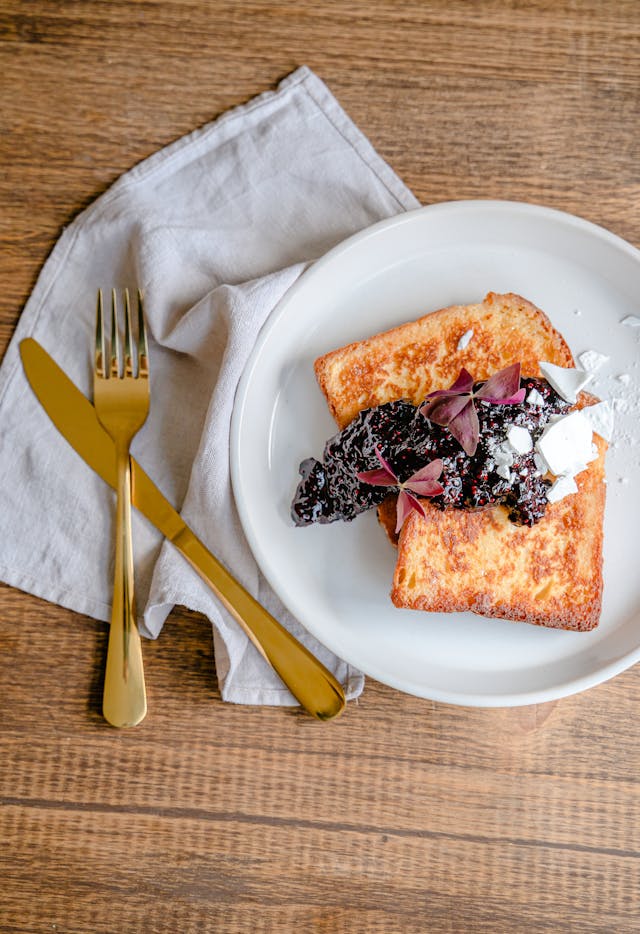
Whether you’re looking for a quick weekday morning treat or a cozy Sunday brunch recipe, French toast is easy to make, delicious, and sure to be a hit with the whole family.
In this blog post, we’ll walk you through everything you need to know about how to make French toast, with tips to make it extra special for your loved ones.
What is French Toast?
| Aspect | Description | Additional Information |
|---|
| Ingredients | Eggs, bread (preferably thick like brioche or challah), milk or cream, sugar, vanilla extract, cinnamon | Optional: Salt, nutmeg, butter, syrup, powdered sugar, fruits, or nuts |
| Preparation Steps | 1. Whisk eggs, milk, sugar, vanilla, and cinnamon. 2. Heat a pan and add butter. 3. Dip bread slices in egg mixture and cook on both sides until golden brown. | The bread should be slightly stale for best absorption of the mixture. |
| Cooking Tips | Use medium heat to avoid burning the toast. Ensure bread soaks up the mixture without getting soggy. | Add butter to the pan for extra flavor and crispiness. |
| Popular Variations | 1. Stuffed French Toast: Bread is stuffed with cream cheese or fruit fillings. 2. Savory French Toast: Uses cheese, herbs, or bacon. 3. Gluten-Free French Toast: Uses gluten-free bread. | Sweet variations can include toppings like maple syrup, whipped cream, and berries. |
| Origin | French Toast dates back to ancient Roman times. Its modern form evolved in France and became popular in the U.S. | The name “French Toast” comes from an American reference to the dish, not its origin in France. |
| Serving Suggestions | Serve with syrup, fresh fruit, powdered sugar, or whipped cream. It’s a great brunch dish or breakfast. | Pair with coffee, tea, or fresh juices for a complete meal. |
| Nutritional Value | High in carbohydrates and protein, but can be calorie-dense depending on toppings and bread choice. | Opt for whole-grain bread for added fiber and nutrition. |

French toast, also known as “eggy bread” or “pain perdu” (“lost bread” in French), is a dish made by soaking slices of bread in a custard-like mixture of eggs and milk, then frying them to golden perfection. It’s versatile, allowing you to customize it with your favorite toppings, from syrup and powdered sugar to fresh fruits and whipped cream.

Ingredients You’ll Need
To make French toast, gather the following simple ingredients:
- Bread: Thick slices work best. Brioche, challah, or Texas toast are great options.
- Eggs: 2-3 large eggs (depending on how much you’re making).
- Milk: 1 cup of milk. Whole milk or cream works best for a rich texture, but you can also use dairy-free alternatives like almond or oat milk.
- Sugar: 1-2 tablespoons of granulated sugar for a touch of sweetness.
- Vanilla Extract: 1 teaspoon for flavor.
- Cinnamon (optional): ½ teaspoon to add a warm, spiced kick.
- Butter: For frying.
Step-by-Step Instructions
- Prepare the Custard Mixture In a shallow bowl or dish, whisk together the eggs, milk, sugar, vanilla extract, and cinnamon until fully combined.
- Soak the Bread Dip each slice of bread into the custard mixture, making sure both sides are evenly coated. Let the bread soak for about 20-30 seconds on each side to absorb the liquid without becoming too soggy.
- Heat the Pan Heat a large non-stick skillet or griddle over medium heat. Add a pat of butter and let it melt, swirling it around the pan.
- Cook the French Toast Place the soaked bread slices onto the hot skillet. Cook for 2-3 minutes on each side, or until the bread is golden brown and slightly crisp on the edges.
- Serve and Enjoy Transfer the French toast to a plate and keep it warm while you cook the remaining slices. Serve immediately with your favorite toppings.
Topping Ideas for French Toast
- Classic: Maple syrup and powdered sugar.
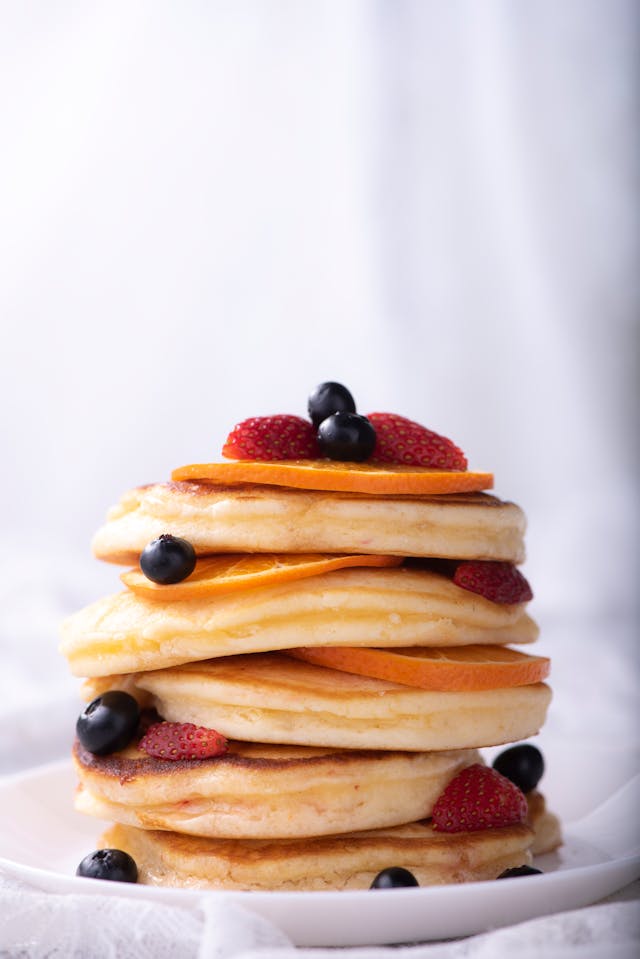
- Fruity: Fresh berries, banana slices, or a dollop of fruit compote.
- Decadent: Whipped cream, chocolate chips, or caramel drizzle.
- Savory Twist: Serve with crispy bacon or sausage on the side.
Pro Tips for Perfect French Toast
- Use Day-Old Bread: Slightly stale bread absorbs the custard better without falling apart.
- Don’t Overcrowd the Pan: Cook in batches if necessary to ensure even browning.
- Make It Ahead: French toast can be kept warm in a 200°F oven for up to 30 minutes or frozen for quick reheating.
- Add a Nutty Crunch: Coat the soaked bread in crushed nuts or granola before frying for added texture.
Why Moms Love This Recipe
This French toast recipe is a lifesaver for busy moms. It’s quick, uses pantry staples, and allows for endless customization to suit your family’s tastes. Plus, it’s a great way to use up leftover bread, making it budget-friendly too!
FAQs About Making French Toast
1. Can I use gluten-free bread? Yes, gluten-free bread works well with this recipe. Just ensure it’s thick enough to hold the custard mixture.
2. What’s the best way to reheat French toast? Reheat in a toaster oven or skillet to maintain its crispy edges. Avoid microwaving, as it can make the toast soggy.
3. Can I make French toast without eggs? Yes! Substitute eggs with a mix of mashed bananas or silken tofu blended with milk.
What is French Toast Batter Made Of?
French toast batter is a simple combination of ingredients that create a rich, creamy texture for the toast. The main ingredients for a basic French toast batter include:
- Eggs: The primary binding ingredient that gives French toast its rich flavor and custard-like texture.
- Milk or Cream: Milk adds moisture and softness to the batter, while cream can make the toast extra rich and indulgent.
- Sugar: A little bit of sugar helps balance the flavors and adds a slight sweetness.
- Vanilla Extract: A teaspoon of vanilla extract gives the batter a warm, sweet fragrance that enhances the flavor.
- Cinnamon or Nutmeg (optional): These spices add a cozy, comforting note to the batter, making your French toast taste even more delicious.
Some recipes might call for a pinch of salt, or even a dash of orange zest for a fresh twist. The key is to whisk everything together until smooth before soaking your bread.
What is the Trick to Good French Toast?
When it comes to making perfect French toast, there are a few essential tricks you can follow to ensure the results are delicious every time:
- Use Thick, Stale Bread: The type of bread you choose can make all the difference. Thick slices of day-old bread or brioche are ideal because they absorb the batter without becoming soggy. Fresh bread tends to fall apart in the batter.
- Soak the Bread Properly: Don’t rush this step! Allow your bread to soak for at least 20 seconds per side to let the batter fully penetrate the bread. However, don’t let it soak too long, or it may fall apart.
- Cook on Medium Heat: Cooking French toast on medium heat ensures that it cooks evenly, giving it a golden-brown color and crispy edges while staying soft and fluffy inside.
- Add a Little Salt: A small pinch of salt in your batter can help balance the sweetness and bring out the flavors.
- Finish with Toppings: The best French toast is all about the toppings. Go beyond the usual syrup and add fresh berries, whipped cream, powdered sugar, or a drizzle of chocolate sauce to elevate your dish.
How Was French Toast Made?
French toast, as we know it today, has evolved over centuries. Interestingly, it wasn’t always considered a “breakfast” dish. It’s believed that the origin of French toast dates back to ancient Rome, where they would soak bread in a mixture of eggs and milk before frying it. The idea was to prevent stale bread from going to waste.
The name “French toast” itself doesn’t actually come from France! In fact, the dish has been made in various forms across different cultures. The French call it “pain perdu,” which means “lost bread,” referring to the use of stale bread that would otherwise be discarded. The dish became popular in France during medieval times, and eventually made its way across Europe and the United States.
Over time, the recipe was refined, and different versions of French toast started to emerge, depending on the country and available ingredients. Today, French toast is a beloved breakfast or brunch option, made from a variety of bread types, batters, and toppings.
How Do French People Make Toast?
While French toast has roots in France, the way it’s made is quite different from what we’re used to in the U.S. The French prefer to make a simpler version of French toast, known as “pain perdu.” Here’s how French people typically prepare it:
- Bread: French people use day-old baguettes or rustic French bread, which is crusty and dense. This type of bread is ideal for absorbing the custard-like batter without getting too soggy.
- Batter: The batter for pain perdu is often more basic compared to American French toast. It consists primarily of eggs and milk, sometimes with a bit of sugar and vanilla. Unlike the rich and spiced version we make, the French version tends to have a lighter, more subtle flavor profile.
- Cooking: The bread is soaked quickly in the batter and then pan-fried in butter until golden brown. It’s typically served with simple toppings like powdered sugar or a drizzle of honey, though fruit and other toppings are becoming more popular in France too.
What is the Main Ingredient in Toast?
At the core of any toast is, of course, bread. The main ingredient in toast is bread—whether it’s white, whole wheat, or any other type of bread. Toasting simply involves browning slices of bread by exposing them to heat, which crisps the edges and enhances the flavor. For French toast, however, the bread is the foundation, but it is combined with a few other ingredients to elevate the flavor and texture. Keep in mind that the quality of your bread will affect the final result, so choose wisely!
Is French Toast Fried in Butter or Oil?
The answer to this question comes down to personal preference. French toast can be fried in both butter or oil, but most people choose butter because it imparts a rich flavor that complements the sweetness of the toast. The butter helps to achieve a crispy, golden-brown exterior while adding a deliciously rich taste. However, if you’re looking to make a slightly lighter version, you can use oil, which has a higher smoking point and is less likely to burn than butter. For an extra indulgent treat, you could even use a combination of both—starting with butter for flavor and then adding oil to prevent burning.
What is the Most Common Mistake in Making French Toast?
One of the most common mistakes when making French toast is not soaking the bread long enough. If you don’t give the bread enough time to absorb the egg mixture, your French toast can end up dry and tough instead of soft and custardy. The bread should soak for just the right amount of time to absorb the liquid but not fall apart. Additionally, another mistake is cooking on too high heat, which can burn the outside before the inside is fully cooked. To avoid this, cook your French toast on medium-low heat for an evenly golden result.
How Long Should French Toast Soak?
The perfect soak time for French toast is about 15-20 seconds per side, depending on the type of bread used. Thicker slices of bread will require a little longer to soak through, while thinner slices may need less time. You want the bread to absorb enough of the egg mixture to become slightly soft but not overly soggy or falling apart. A good test is to press down gently on the bread after soaking—it should feel moist but firm, not dripping wet.
What Bread is Best for French Toast?
The best bread for French toast is one that is slightly thick and sturdy, so it can absorb the egg mixture without falling apart. Some of the top choices for French toast include:
- Brioche: This rich, buttery bread is a favorite because it makes for incredibly soft, custardy French toast.
- Challah: Another slightly sweet, fluffy bread, perfect for soaking up the egg mixture and delivering a light, airy texture.
- Texas Toast: Thick slices of Texas toast are ideal for French toast because they hold up well during the soaking process and cook to a perfect golden-brown exterior.
- Sourdough: For a slightly tangy twist, sourdough bread adds a unique flavor to French toast while still holding up well to the soaking process.
For best results, always use bread that is a day or two old, as it will absorb the egg mixture more effectively than fresh bread.
Final Thoughts
Now that you know how to make French toast, you’ve got a go-to recipe for delightful breakfasts that your family will love. Don’t forget to share your creations with us in the comments below or on social media!
Happy cooking, moms!