This site contains affiliate links, please read our disclosure for more information. The content on this website was created with the help of AI.
As a busy mom, finding quick, nutritious, and delicious meals is always a priority.

If you’re looking for a healthy alternative to pasta that is both versatile and easy to prepare, look no further than spaghetti squash.
This vegetable is not only packed with nutrients but also provides a unique texture that mimics spaghetti, making it a perfect option for your family’s meals.
In this blog post, we’ll show you how to cook spaghetti squash in different ways, so you can enjoy this superfood in no time!
What is Spaghetti Squash?
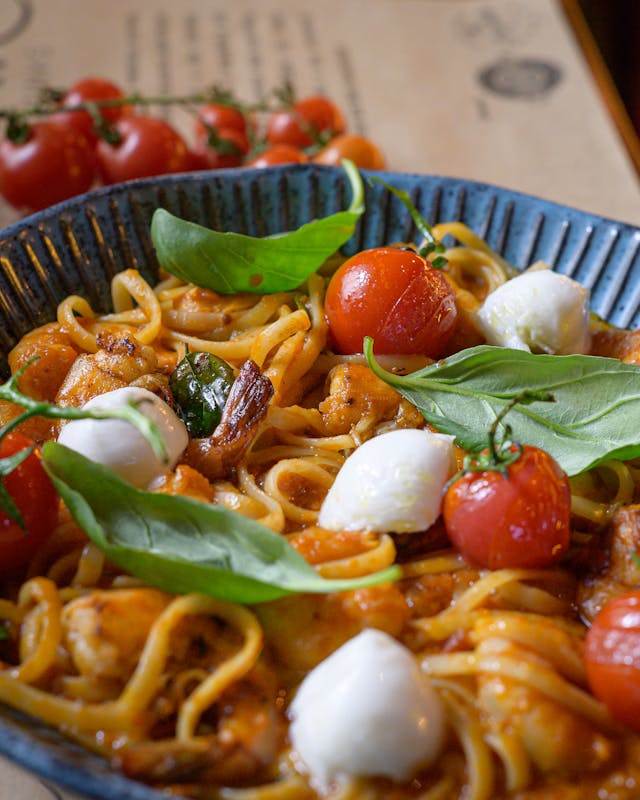
Spaghetti squash is a winter squash variety that, when cooked, produces long, thin strands that resemble spaghetti noodles.
| Aspect | Details | Additional Tips |
|---|
| What is Spaghetti Squash? | A type of winter squash that, when cooked, separates into strands resembling spaghetti. It is low in calories and high in fiber. | Choose squash that is firm, with a golden yellow color and free from blemishes. |
| Common Cooking Methods | 1. Roasting 2. Microwave 3. Boiling 4. Instant Pot | Roasting enhances the flavor; microwave is quickest, while boiling results in a softer texture. |
| How to Roast Spaghetti Squash | 1. Preheat oven to 400°F (200°C). 2. Cut squash in half, scoop out seeds. 3. Drizzle with olive oil and season. 4. Roast for 40-45 minutes, cut side down. | Roasting time may vary depending on size; check for tenderness by piercing with a fork. |
| How to Microwave Spaghetti Squash | 1. Pierce the skin with a knife to allow steam to escape. 2. Microwave on high for 10-12 minutes, rotating halfway. | Check for doneness by pulling the strands with a fork; it should easily separate. |
| How to Boil Spaghetti Squash | 1. Cut squash into halves or quarters. 2. Boil in salted water for 20-30 minutes. 3. Remove and scrape out strands. | Boiling tends to make the squash softer, so if you prefer a firmer texture, use roasting or microwaving. |
| How to Use in Recipes | Spaghetti squash is a versatile substitute for pasta. Use it in dishes like pasta with marinara sauce, stir-fries, or as a base for casseroles. | Pair with sauces like marinara, pesto, or garlic butter, or use in baked dishes for a low-carb alternative to pasta. |
| Nutritional Benefits | Low in calories and carbs, high in fiber, vitamin C, and beta-carotene. It helps with digestion and can support weight loss goals. | Great for keto, paleo, or gluten-free diets as a pasta substitute. |
| Storage Tips | Store uncut spaghetti squash in a cool, dry place for up to 1 month. Once cut, refrigerate in an airtight container for up to 5 days. | Leftover squash can be reheated in the microwave or sautéed for added flavor. |
| Common Variations | Some variations include yellow, orange, or even white spaghetti squash, with slight differences in texture or sweetness. | Experiment with different squash varieties for unique flavor profiles. |
| Serving Ideas | Serve as a side dish with grilled meats, as a base for a vegetable stir-fry, or mix with cheese and herbs for a comforting meal. | Top with Parmesan, fresh herbs like basil or thyme, or a drizzle of olive oil for added flavor. |
It’s a low-calorie, gluten-free, and high-fiber food that’s perfect for those looking to add more vegetables to their diet or avoid carbs. Plus, it’s incredibly easy to cook and can be prepared in several ways, from roasting to microwaving.
Health Benefits of Spaghetti Squash
Before diving into how to cook spaghetti squash, let’s talk about the health benefits it offers:
- Low in Calories: At only 42 calories per cup, it’s a great option for anyone trying to maintain or lose weight.
- High in Fiber: Spaghetti squash is rich in fiber, which supports healthy digestion and helps keep you full longer.
- Packed with Nutrients: It’s a great source of Vitamin A, Vitamin C, potassium, and antioxidants, all of which contribute to your overall health.
Now that you know why spaghetti squash is such a great choice, let’s get into the methods for cooking it!
How to Cook Spaghetti Squash
There are several ways to cook spaghetti squash, depending on the time you have and the tools available. Here are three popular methods that will make your life easier:
1. Roasting Spaghetti Squash in the Oven

Roasting spaghetti squash is one of the most common methods because it brings out the natural sweetness of the squash while creating the perfect “noodle” texture. Here’s how to do it:
Ingredients:
- 1 medium spaghetti squash
- Olive oil (optional)
- Salt and pepper (optional)
Instructions:
- Preheat your oven to 400°F (200°C).
- Carefully cut the spaghetti squash in half lengthwise, from stem to bottom. Use a spoon to scoop out the seeds and discard them.
- (Optional) Drizzle a little olive oil on the cut sides of the squash and season with salt and pepper.
- Place the squash halves cut-side down on a baking sheet lined with parchment paper.
- Roast in the oven for 40-50 minutes, or until the flesh is tender and can be easily shredded with a fork.
- Once done, remove the squash from the oven and let it cool slightly before using a fork to scrape out the strands of squash.
2. Microwaving Spaghetti Squash
If you’re short on time, the microwave method is perfect for quickly cooking spaghetti squash without sacrificing flavor or texture. Here’s how you can do it:
Ingredients:
- 1 medium spaghetti squash
- Salt and pepper (optional)
Instructions:
- Cut the spaghetti squash in half lengthwise and scoop out the seeds.
- Place the halves cut-side down in a microwave-safe dish.
- Add about 1/4 cup of water to the dish to help steam the squash.
- Microwave on high for 10-12 minutes, checking for doneness. The squash should be tender and easy to scrape into strands with a fork.
- Let it cool slightly, then use a fork to separate the “noodles.”
3. Instant Pot Spaghetti Squash
For even faster results, you can cook spaghetti squash in an Instant Pot. This method is perfect for busy moms who need a quick and efficient way to cook this nutritious vegetable.
Ingredients:
- 1 medium spaghetti squash
- 1 cup water
Instructions:
- Cut the spaghetti squash in half lengthwise and remove the seeds.
- Add 1 cup of water to the Instant Pot and place the trivet inside.
- Place the spaghetti squash halves on top of the trivet, cut-side up.
- Close the lid, set the valve to “sealing,” and cook on high pressure for 7 minutes.
- Once the cooking time is up, let the pressure naturally release for about 5 minutes, then carefully release any remaining pressure.
- Use tongs to remove the squash from the Instant Pot, let it cool slightly, and scrape out the strands with a fork.
Serving Ideas for Spaghetti Squash
Once you’ve cooked your spaghetti squash, the possibilities are endless! Here are a few ideas for serving this delicious and nutritious vegetable:
- Spaghetti Squash with Marinara Sauce: Top your spaghetti squash with a classic marinara sauce, fresh basil, and Parmesan cheese for an easy, healthy meal.
- Spaghetti Squash with Pesto: Toss the squash with homemade or store-bought pesto for a flavorful and satisfying dish.
- Spaghetti Squash Stir-Fry: Add cooked spaghetti squash to a stir-fry with your favorite vegetables and protein for a hearty, low-carb meal.
- Spaghetti Squash as a Side Dish: Serve your cooked spaghetti squash as a side dish with grilled chicken, steak, or fish.
Tips for Perfect Spaghetti Squash Every Time
- Choose a squash that is firm and heavy for its size. Smaller squashes tend to cook more evenly.
- For even cooking, make sure the squash halves are positioned cut-side down while roasting or microwaving.
- If you’re storing leftovers, keep the squash in an airtight container in the refrigerator for up to 5 days.
What is the Cooking Method for Squash?
When it comes to cooking squash, there are several methods you can use, each yielding different textures and flavors. The best cooking method depends on the type of squash you’re using (e.g., butternut, acorn, zucchini) and your personal preferences. Here are some of the most popular cooking methods for squash:
- Roasting: Roasting squash is a great way to bring out its natural sweetness. Preheat your oven to 400°F (200°C). Cut the squash in half, scoop out the seeds, and drizzle with olive oil, salt, and pepper. Roast for 25-45 minutes, depending on the size of the squash, until it’s tender and caramelized.
- Sautéing: For zucchini or summer squash, sautéing is a quick and delicious option. Slice the squash into rounds or half-moons, heat a bit of olive oil in a pan, and sauté for 5-7 minutes until golden and tender. You can add garlic, herbs, or even cheese for extra flavor.
- Steaming: Steaming is another healthy option that helps retain most of the nutrients in squash. Simply cut the squash into chunks and steam for 5-10 minutes, depending on the size of the pieces.
- Boiling: Boiling is ideal for making squash puree or soups. Cut the squash into cubes, boil for about 10-15 minutes until soft, and then blend to your desired consistency.
- Grilling: For a smoky, charred flavor, grilling squash is a wonderful choice. Slice the squash lengthwise or into rounds, brush with olive oil, and grill for about 5 minutes on each side.
Each method brings out the unique flavors of squash, so try different ones to see what you like best!
How Do You Cut Spaghetti Squash for Cooking?
Spaghetti squash is a unique type of squash that, when cooked, separates into long, noodle-like strands. But to unlock its delicious potential, you first need to cut it properly. Here’s how you can easily cut spaghetti squash for cooking:
- Choose a Sharp Knife: Spaghetti squash has a tough outer skin, so make sure you use a sharp chef’s knife to avoid accidents and make clean cuts.
- Cut Off the Ends: Start by cutting off both ends of the squash. This will give you a stable base to work with when slicing it in half.
- Slice in Half Lengthwise: Stand the squash upright and carefully slice it lengthwise down the middle. You’ll want to cut through the long way to ensure the strands will run lengthwise when cooked.
- Scoop Out the Seeds: Use a spoon to scoop out the seeds and stringy flesh from the center of both halves. You can discard the seeds, or save them to roast as a healthy snack later.
- Ready to Cook: After cutting and removing the seeds, your spaghetti squash is ready to be cooked! You can roast, microwave, or even slow-cook it, depending on your preference.
How Do You Start Spaghetti Squash?
Starting spaghetti squash for cooking involves a few simple steps to ensure the squash cooks properly and you get those signature pasta-like strands. Here’s how you can start:
- Preheat the Oven (if Roasting): If you plan to roast spaghetti squash, preheat your oven to 375°F (190°C). This method brings out the sweetness and creates perfectly tender strands.
- Prepare the Squash: Follow the steps above to cut the squash in half and remove the seeds. You can also drizzle the inside of the squash with a bit of olive oil, salt, and pepper to enhance the flavor.
- Choose Your Cooking Method:
- Roasting: Place the squash halves cut-side down on a baking sheet. Roast for 30-45 minutes, depending on the size of the squash, until the flesh is tender and can be easily shredded into strands.
- Microwaving: If you’re short on time, microwaving is a great alternative. Place the squash halves cut-side down on a microwave-safe plate and microwave for 10-12 minutes. You may need to check for tenderness and cook in additional 2-minute intervals if necessary.
- Slow Cooker: You can also cook spaghetti squash in a slow cooker. Place the whole squash in the slow cooker and cook on low for 6-8 hours or high for 3-4 hours until tender.
- Shred the Squash into Strands: Once cooked, use a fork to scrape the flesh of the squash. It will naturally separate into long, spaghetti-like strands, which you can serve as a healthy, low-carb pasta alternative.
What is the best technique for squash?
The best technique for cooking squash largely depends on the variety you’re working with, but there are a few general methods that work well for most types, including butternut, acorn, and summer squash. Here are some tried-and-true cooking techniques:
- Roasting: Roasting squash brings out its natural sweetness and enhances the flavor. To do this, simply peel and chop the squash into cubes or slices, toss with olive oil, salt, and pepper, and roast in the oven at 400°F (200°C) for 25–30 minutes, or until tender and caramelized. This method is perfect for both summer squash (like zucchini) and winter squash (like butternut).
- Sautéing: Sautéing squash in a pan allows for quick cooking and a slight crispiness. It’s ideal for summer squash. Slice the squash and sauté it in a pan with a bit of olive oil, garlic, and your choice of herbs. Cook for about 5-7 minutes until lightly browned and tender.
- Steaming: Steaming is great for preserving nutrients in the squash while keeping it tender. Simply cut the squash into chunks, place in a steamer basket over simmering water, and cook for 8-10 minutes until fork-tender.
- Grilling: Grilled squash adds a smoky flavor to your dishes. Slice the squash into thick pieces, brush with olive oil, season, and grill over medium heat for 3–5 minutes on each side.
Each of these methods is great for different meals, and you can experiment with each to find your family’s favorite!
How do you cook squash so it’s not watery?
One of the common issues when cooking squash, especially zucchini and other high-water varieties, is ending up with a watery, soggy dish. Fortunately, there are a few ways to prevent that:
- Salt the squash: Before cooking, sprinkle salt on sliced or cubed squash and let it sit for about 10-15 minutes. The salt helps draw out excess moisture. Afterward, blot the squash with a paper towel to remove the moisture. This works especially well for zucchini and summer squash.
- Cook it at a high temperature: When cooking squash in the oven or on the stovetop, make sure your cooking temperature is high enough to evaporate the excess moisture. Roasting or sautéing at 400°F (200°C) helps evaporate moisture and prevent a watery result. Avoid covering the squash while cooking, as this traps steam and leads to sogginess.
- Use a thickening agent: For soups or stews, if the squash has released too much liquid, you can add a thickening agent like cornstarch, flour, or even coconut flour to help absorb some of the moisture and give the dish a more satisfying consistency.
- Drain before cooking: If you’re preparing squash for a casserole or stew, draining excess liquid before adding it to the dish will prevent your meal from becoming too watery.
What is the healthiest way to eat squash?
Squash is loaded with vitamins and nutrients, making it a great addition to any meal. But to get the most health benefits, it’s essential to cook it in a way that preserves its nutrients without adding unnecessary calories. Here are some healthy ways to eat squash:
- Roast with minimal oil: Roasting squash with a small amount of olive oil and seasoning is a healthy way to bring out its natural flavors. Olive oil is a good source of healthy fats and antioxidants, but be mindful of portion sizes to avoid excess calories. You can also roast the squash without oil for a lighter option.
- Steam for maximum nutrients: Steaming squash preserves most of its nutrients, as it doesn’t require much water and avoids nutrient loss that can occur with boiling. Steamed squash retains its vitamins A and C, as well as potassium, which are key for immune function and heart health.
- Sauté with garlic and herbs: For a flavorful yet healthy option, sauté squash with garlic, onions, and fresh herbs like thyme or rosemary. This method adds vitamins, minerals, and antioxidants without overwhelming the dish with fats or sugars.
- Use squash in soups and stews: Squash can be a great addition to healthy soups and stews, especially when paired with other vegetables and lean proteins like chicken or beans. It’s a great way to increase fiber intake, promote digestion, and add a hearty texture to meals.
- Incorporate into salads: Raw squash can be thinly sliced or spiralized into “noodles” and added to salads. This method gives you a crunchy, low-calorie base for fresh ingredients like leafy greens, nuts, and seeds.
Why is My Spaghetti Squash Watery?
Spaghetti squash is a popular, low-carb alternative to pasta, but sometimes it can turn out watery, which can be frustrating when you’re trying to enjoy its noodle-like texture. So, why does this happen?
- Excessive Moisture in the Squash: Sometimes, the squash may naturally hold more water, especially if it was overripe or stored improperly before cooking. When you cut the squash open, the moisture can leak out, creating that watery consistency.
- Overcooking: If you cook spaghetti squash for too long, whether in the oven or microwave, the squash can release excess water, making it soggy. It’s important to avoid overcooking and to check your squash regularly to achieve the perfect texture.
- Cutting the Squash Too Early: After cutting the squash, the exposed flesh can begin to release moisture. If you leave it sitting for too long before cooking, that water can accumulate and result in a watery dish.
How to Fix It: If you find your spaghetti squash watery, try placing the cooked squash strands in a colander to drain out the excess liquid. You can also gently pat them dry with a paper towel to absorb the moisture.
How Do You Soften Squash Quickly?
Squash is a versatile vegetable, but sometimes, you need to soften it quickly for a recipe. Whether you’re preparing butternut squash, acorn squash, or spaghetti squash, here are some tips to get your squash soft and ready in no time:
- Microwave: The quickest way to soften squash is by microwaving it. Slice the squash in half, remove the seeds, and place it cut-side down in a microwave-safe dish with a little water. Cover it with a microwave-safe lid or plastic wrap and cook it on high for 5-10 minutes, depending on the size. This method can soften your squash within minutes.
- Steam: If you prefer a stovetop method, steaming squash is another great option. Peel and chop the squash into chunks, then place them in a steaming basket over boiling water. Cover and steam for about 10-15 minutes, or until the squash is tender.
- Oven Roasting: While this method takes longer, it’s also very effective. Cut the squash in half, remove the seeds, and roast it in the oven at 400°F for about 30-45 minutes, depending on the size of the squash. Roasting brings out a sweet flavor and softens it perfectly for your recipe.
How Do You Cook Squash Without Losing Nutrients?
Squash is full of vitamins, minerals, and fiber, making it a healthy addition to your family’s meals. However, certain cooking methods can cause a loss of nutrients. Here are the best ways to preserve the nutrients when cooking squash:
- Roast or Bake with Skin On: Roasting or baking squash with its skin on helps to retain the nutrients. The skin acts as a barrier, keeping the valuable vitamins inside. When cooking squash, whether it’s butternut or acorn, try to leave the skin on to retain its nutritional value.
- Steam Instead of Boil: Boiling squash can cause water-soluble vitamins, such as vitamin C and B vitamins, to leach out into the water. Steaming is a gentler method that helps preserve these nutrients while softening the squash.
- Avoid Overcooking: Overcooking squash can break down the nutrients and result in a mushy texture. To preserve the vitamins and minerals, aim for the optimal cooking time — usually 20-30 minutes for most squash varieties.
- Use a Pressure Cooker or Instant Pot: If you’re short on time but still want to retain as many nutrients as possible, using a pressure cooker or Instant Pot can be a great option. These appliances cook squash quickly without exposing it to high heat for prolonged periods, preserving both texture and nutrients.
Conclusion
Spaghetti squash is an incredibly versatile and healthy vegetable that should be a staple in every busy mom’s kitchen. Whether you choose to roast, microwave, or cook it in an Instant Pot, you’ll be able to enjoy this nutritious alternative to pasta in no time. With a variety of ways to serve it, spaghetti squash is perfect for meals that are both delicious and family-friendly. Try it today and discover how easy it can be to make healthy, homemade meals!